
Summary – press to open
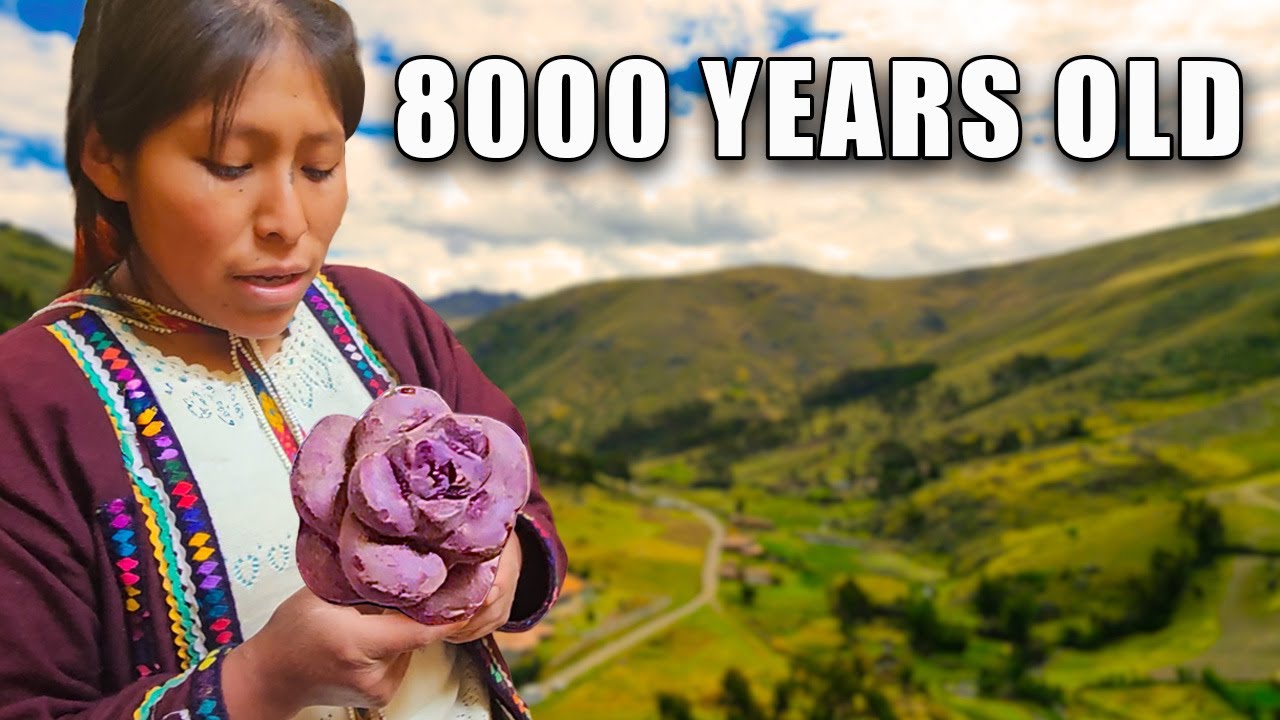
In the high-altitude peaks of the Peruvian Andes, a secret “living laboratory” holds the key to the world’s food security. Discover how the guardians of the Parque de la Papa are preserving 1,367 varieties of native potatoes and fighting to save ancient indigenous knowledge from the threat of modern biopiracy. Welcome to the “Parque de la Papa” (Potato Park), a 12,000-hectare biocultural heritage site where ancient technology meets modern conservation in a unique protected zone where the Quechua people are safeguarding over potato varieties that exist nowhere else on Earth, while making conservation an act of sacred stewardship rather than just a scientific project. The park de la Papais an extraordinary example of how indigenous communities can proactively protect themselves from exploitation, conserve their traditional knowledge, and in doing so provide a successful model for other communities around the world to do the same.
In this documentary, we travel to the high Andes to meet the “Potato Guardians” who use ancient Incan agricultural technologies to preserve genetic diversity in the face of climate change. While the modern world relies on just a handful of potato types, these communities hold the genetic keys that could prevent the next global famine.
The “guardians of the seed” are using thousands of years of ancestral wisdom to breed resilient crops. We dive deep into the Runa Ayllu worldview—an indigenous philosophy of reciprocity between humans, the land, and the spirit world. From the science of soil mycelium to the historic deposit of seeds in the Svalbard Global Seed Vault, this is a story of resistance, restoration, and the “crying daughter-in-law” potato.
If you are interested in Ethnobotany, Food Security, Indigenous Rights, or Sustainable Agriculture, this film reveals the incredible science hidden within ancient traditions.
KEY TOPICS COVERED:
The fight against biopiracy and protecting indigenous intellectual property.
How Andean agriculture is adapting to a changing climate.
The incredible biodiversity of 1,367 native potato varieties.
Traditional Quechua lifestyle: From guano fertilizer to ancient earth-oven cooking.
The role of the Potato Park in global food security. Agrobiodiversity: Why genetic variety is the best defense against disease and climate change.
Food Sovereignty: Indigenous communities managing their own land and resources.
Climate Adaptation: Moving crops to higher altitudes to survive warming temperatures.