
Video’s summary (press to open)
Oolong tea, a semi-fermented delight from the Camellia sinensis plant, has long been celebrated for its unique flavor profile and potential health benefits. But did you know that hidden within its leaves is a rare molecule called oolonghomobisflavan (also known as theasinensin in scientific literature), which may be the key driver behind many of its therapeutic effects? This polyphenol, formed exclusively during oolong tea’s partial oxidation process, has been the subject of over 30 years of research, revealing promising roles in longevity, weight management, cardiovascular health, antiviral activity, and even cancer prevention. In this comprehensive guide, we’ll explore what makes oolong tea special, how this molecule is created, and the scientific studies backing its benefits—perfect for tea enthusiasts looking to boost their wellness routine.

About Oolong Tea | The Fragrant Leaf Tea Albuquerque
What Is Oolong Tea? A Quick Overview
Oolong tea originates from the same plant as green, black, white, yellow, and dark teas—Camellia sinensis. The magic lies in the processing: after plucking the leaves, oolong undergoes partial oxidation, setting it apart from unoxidized green tea and fully oxidized black tea. Think of it as the “halfway point” in tea oxidation, similar to how an apple turns brown when exposed to air (enzymatic browning). This process gives oolong its distinctive color, aroma, and flavor, while preserving and transforming beneficial compounds.
Unlike green tea, which halts oxidation early, or black tea, which allows it to run its full course, oolong’s controlled oxidation creates unique polyphenols that aren’t found in high amounts in other teas. This makes oolong a standout choice for those seeking balanced health benefits without the grassiness of green tea or the boldness of black.
How Oolonghomobisflavan Forms: The Science of Tea Processing
During oolong tea production, simple molecules like epigallocatechin gallate (EGCG)—a potent antioxidant in green tea—begin to link together as oxidation kicks in. In fully oxidized teas like black tea, these form large conglomerates. But in oolong, the process stops midway, resulting in dimers: essentially two EGCG molecules bonded together.
This dimer is oolonghomobisflavan, a bisflavan polyphenol unique to oolong tea. It embodies the essence of partial oxidation, appearing only at the early to mid-stages before further polymerization occurs. As oxidation begins, hydrogen atoms are removed from EGCG, allowing the molecules to “clasp hands” at a specific junction, forming this rare compound. Heavy oxidation in other teas breaks it down, making oolonghomobisflavan truly oolong-specific.
For context, theasinensins (including oolonghomobisflavan A and B) were first isolated and characterized in the 1980s, with key work by researchers like Nonaka and Hashimoto in 1983 and 1988.
Scientific Studies on Oolonghomobisflavan: 30 Years of Research
Research on oolonghomobisflavan spans decades, highlighting its multifaceted health effects. Below, we break down key studies by year, focusing on the molecule’s biological impacts.
1993: Longevity Benefits Through Mitohormesis
One of the earliest studies in 1993 revealed oolonghomobisflavan’s ability to mildly inhibit mitochondrial complex I, inducing a gentle, reversible stress on mitochondria. This “mitohormesis” mimics the beneficial stress from exercise, enhancing antioxidant defenses and cellular resilience for long-term health. At the time, this positioned polyphenols as bio-regulators, marking one of the first documented cases of natural mitohormetic signaling. Recent work confirms similar lifespan-extending effects in models like Caenorhabditis elegans, where oolong tea extracts and oolonghomobisflavans improved healthspan by reducing age-related muscle decline.
2005: Weight-Loss Effects Via Lipase Inhibition
By 2005, Japanese researchers demonstrated oolonghomobisflavan’s potent inhibition of lipase, the enzyme responsible for fat absorption in the gut. With an IC50 value of just 0.048 micromolar—seven times stronger than EGCG—it outperformed other tea polyphenols. This synergy (greater than the sum of its EGCG parts) suggests oolong tea could aid weight loss by reducing fat uptake, a strategy popular before modern drugs like GLP-1 agonists.
2017: Cardiovascular Protection Against LDL Oxidation
In 2017, studies showed oolonghomobisflavan protects low-density lipoprotein (LDL, or “bad” cholesterol) from oxidation, a key step in atherosclerosis. By reducing oxidative damage, it preserves LDL’s heparin-binding activity, allowing better clearance from arteries. This could lower plaque buildup and heart disease risk, adding to oolong tea’s heart-healthy reputation.
2020: Antiviral Potential Against SARS-CoV-2
Amid the 2020 pandemic, Indian scientists screened 65 tea compounds for binding to SARS-CoV-2’s main protease (MPro), essential for viral replication. Oolonghomobisflavan A topped the list, showing stronger binding energy than synthetic antivirals. In silico modeling indicated it forms hydrogen bonds at the enzyme’s core, potentially halting replication—highlighting tea’s role in natural antiviral defense.
2023-2024: Anti-Cancer Properties in Melanoma and Leukemia
Recent oncology research from Korea (2023-2024) found oolonghomobisflavan binds to the 67-kDa laminin receptor (67LR), overexpressed on cancer cells. In melanoma cells, this triggers a signaling cascade reducing growth. A follow-up combined it with diallyl disulfide (DADS) from garlic, inhibiting PDE5 to amplify cancer cell self-destruction (apoptosis) while sparing healthy cells. Tested on leukemia, the synergy intensified, suggesting novel pairings like oolong tea with garlic for anti-cancer effects.
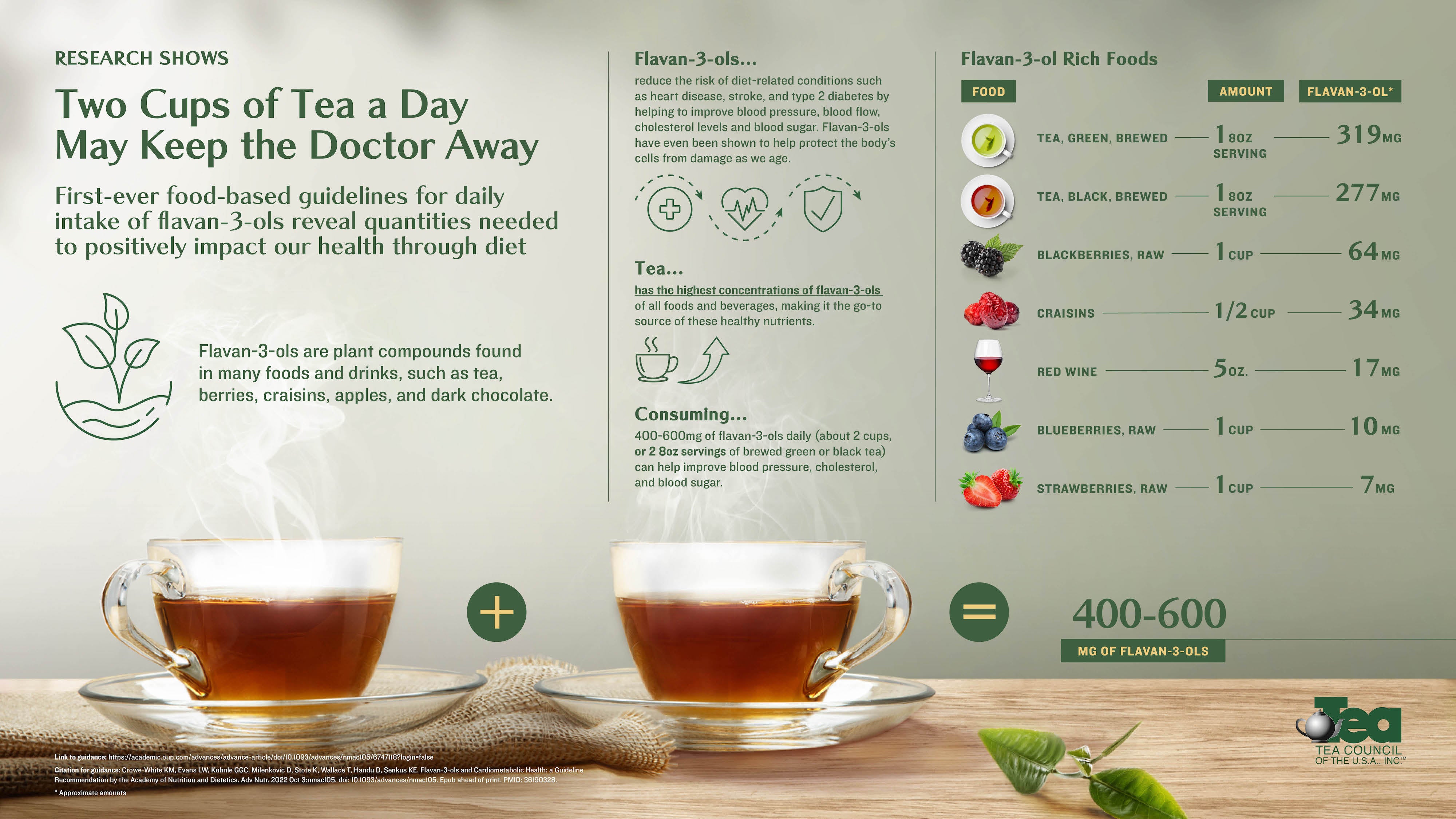
Health Benefits of Tea | Harney & Sons – Harney & Sons Fine Teas
Why Oolong Tea Deserves a Spot in Your Daily Routine
Oolonghomobisflavan exemplifies how oolong tea’s unique processing unlocks powerful health benefits, from promoting longevity and weight loss to protecting against heart disease, viruses, and cancer. While more human trials are needed, the accumulating evidence—spanning mitohormesis to targeted cancer signaling—makes a compelling case for sipping this tea regularly.
For a deeper dive, check out the original video by Dylan, a PhD tea scientist, on YouTube: A Rare Longevity Molecule Only Found in Oolong Tea. Incorporate oolong into your diet, perhaps paired with garlic for that synergistic boost, and stay healthy while enjoying one of nature’s finest brews.
References: Studies cited include foundational work on theasinensins (1983-1988) and specific biological effects (1993-2024). For full details, explore sources like PubMed and scientific journals on oolong tea polyphenols.